Know if your company is ready before the market decides.
Belay Global helps founders, CEOs, and boards determine whether a public listing is credible before committing to a transaction process.
Our assessment identifies the strengths, gaps, and preparation required to approach the public markets with credibility and control.
Assess readiness. Identify gaps. Move with confidence.
Founder-led or closely held, where control and culture matter.
$100M–$500M in growth capital, liquidity, or balance sheet flexibility.
Two years of audited financials or a clear path to audit readiness.
Growing revenue, improving margins, positive unit economics, and a credible public-market narrative.
What public investors need to believe.
Readiness is not determined by size alone. Investors must understand the business, believe the growth story, trust the numbers, assess the team, and underwrite the capital structure they inherit.
Belay evaluates readiness across six dimensions.
What the assessment evaluates.
Business quality
The durability of the business investors would be buying.
A company must be simple enough to explain, differentiated enough to matter, and durable enough to sustain public ownership.
Belay evaluates business model clarity, customer demand, market defensibility, revenue quality, concentration, and evidence of post-listing growth.
The questionCan a public investor understand why this business wins and why that advantage endures?
Leadership
The team’s ability to operate, communicate, and allocate capital as a public company.
Public investors look for a team that can manage performance, communicate with discipline, and maintain credibility under scrutiny.
Belay evaluates CEO readiness, senior team depth, finance leadership, operating cadence, forecasting discipline, and the ability to own the public-market narrative.
The questionCan this team lead the company through the first year of public ownership?
Financial profile
The revenue, margin, and unit economics investors can underwrite.
Investors need numbers they can understand, trends they can evaluate, and forecasts they can test.
Belay evaluates growth, revenue quality, margins, contribution economics, profitability path, forecast visibility, and recent-quarter performance.
The questionAre the financials strong, understandable, and supported by evidence?
Market position
How the company will be understood in the public markets.
Every newly public company is placed into a category. Investors and analysts compare it to public peers, sector benchmarks, and the metrics that define its market.
Belay evaluates the comparable set, category narrative, addressable market evidence, competitive positioning, and the questions analysts are likely to ask.
The questionCan the company be positioned clearly within the public markets from day one?
Governance
The board, controls, and reporting discipline public ownership requires.
Readiness depends on infrastructure that can withstand scrutiny from investors, auditors, regulators, and the board.
Belay evaluates board composition, committee readiness, audit and disclosure controls, financial close discipline, and reporting cadence.
The questionCan the company operate with the discipline expected of a public company?
Capital structure
The cap table, balance sheet, and funding plan investors inherit.
Capital structure must be clear, explainable, and compatible with public ownership.
Belay evaluates cap table clarity, preference stack, balance sheet strength, dilution, earnouts, equity grants, and future financing needs.
The questionCan the company enter the public markets with a capital structure investors can support?
Three positions. One path.
The assessment places each company into one of three positions, each implying a different level of preparation and a different path forward.
The ambition is clear. The company is not yet prepared.
A strong strategic rationale for listing exists, but material preparation remains across one or more dimensions.
Belay identifies the work required before a transaction process should begin.
Typical path:Structured preparation over 6 to 12 months.
The company clears the bar on most dimensions.
A credible public-market profile exists with a defined plan to address remaining gaps.
The conversation moves to sequencing, capital strategy, valuation, and the appropriate listing window.
Typical path:Focused preparation followed by transaction structuring.
The company is prepared for execution.
Strength across the six dimensions and the capacity to sustain a serious listing process.
Belay begins evaluating structure, capital formation, governance, and the first year as a public company.
Typical path:Readiness assessment to execution planning.
A clear view before the company enters the market.
The readiness profile gives the board a practical view of where the company stands, what investors are likely to underwrite, and what preparation remains.
Not a generic scorecard. A structured assessment designed to create decision clarity.
Public investors underwrite preparation.
The public markets reward preparation. They also expose its absence.
A readiness assessment allows leadership to evaluate the opportunity privately before engaging the market. It identifies whether the company is prepared to proceed and what work remains.
Determine whether a listing is the right path, at the right time, under the right structure.
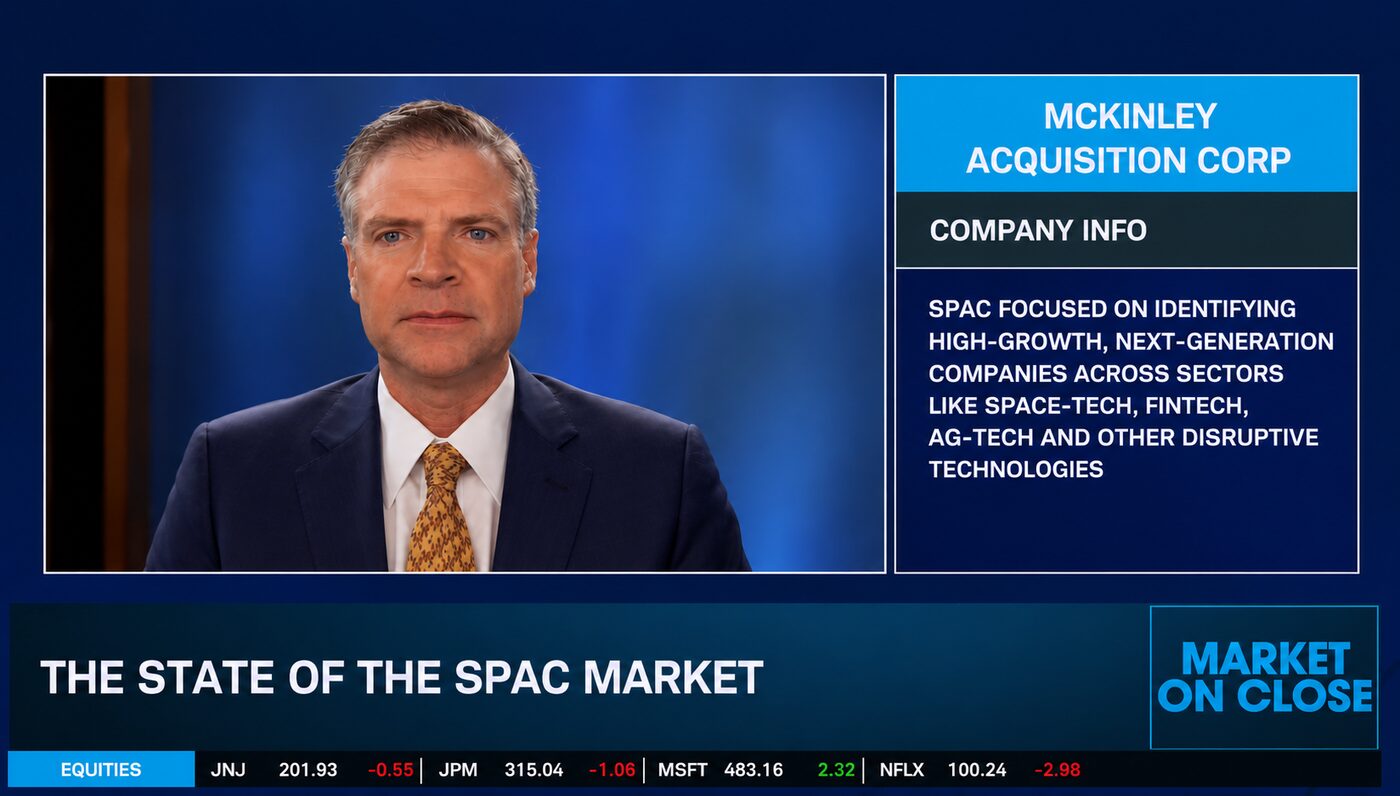
Peter Wright on public-market readiness.
On the attributes that distinguish companies prepared for public ownership, and how Belay evaluates readiness before a listing process begins.
Begin the readiness assessment.
A confidential assessment of public-market readiness across six dimensions. Approximately 12 minutes to complete.
Reviewed by a Belay principal. Returned as a written readiness profile.
Know where you stand before the market does.